
Experience the traditional Japan.
3 Perfect days of
culture
special highlights
Sanuki Kagari Temari
A Story Woven in Thread
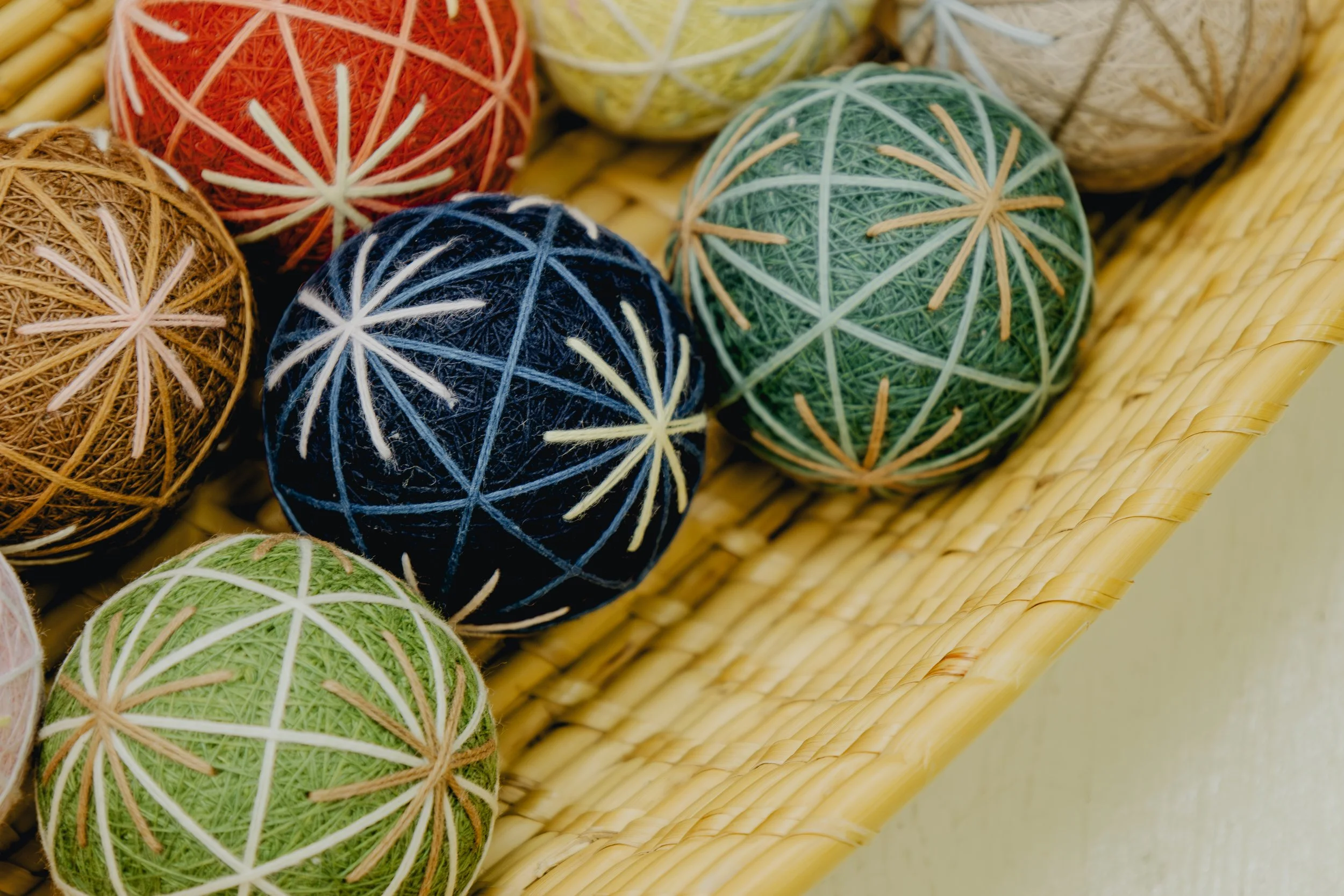
Sanuki Kagari Temari is a traditional craft unique to Sanuki, made with cotton thread—one of the Sanuki Sanpaku (sugar, salt, and cotton)—dyed in soft, natural colors drawn from plants and herbs.
Historically, temari were passed from mother to child, each stitch carrying wishes for happiness and healthy growth.
That intention remains unchanged today.
Every piece is carefully hand-stitched, one by one, using time-honored techniques.
Created from natural materials with respect for the environment, these temari express a quiet beauty born from plants—through floral hues and geometric patterns shaped by nature.
Small in size,
yet each sphere feels as if it gently holds the landscapes of Sanuki
and the thoughts of the people who live and work there.
Sanuki Wasanbon Wooden Molds
A small sweetness shaped by quiet hands
— Wooden mold carving by traditional craftsman Ichihara —
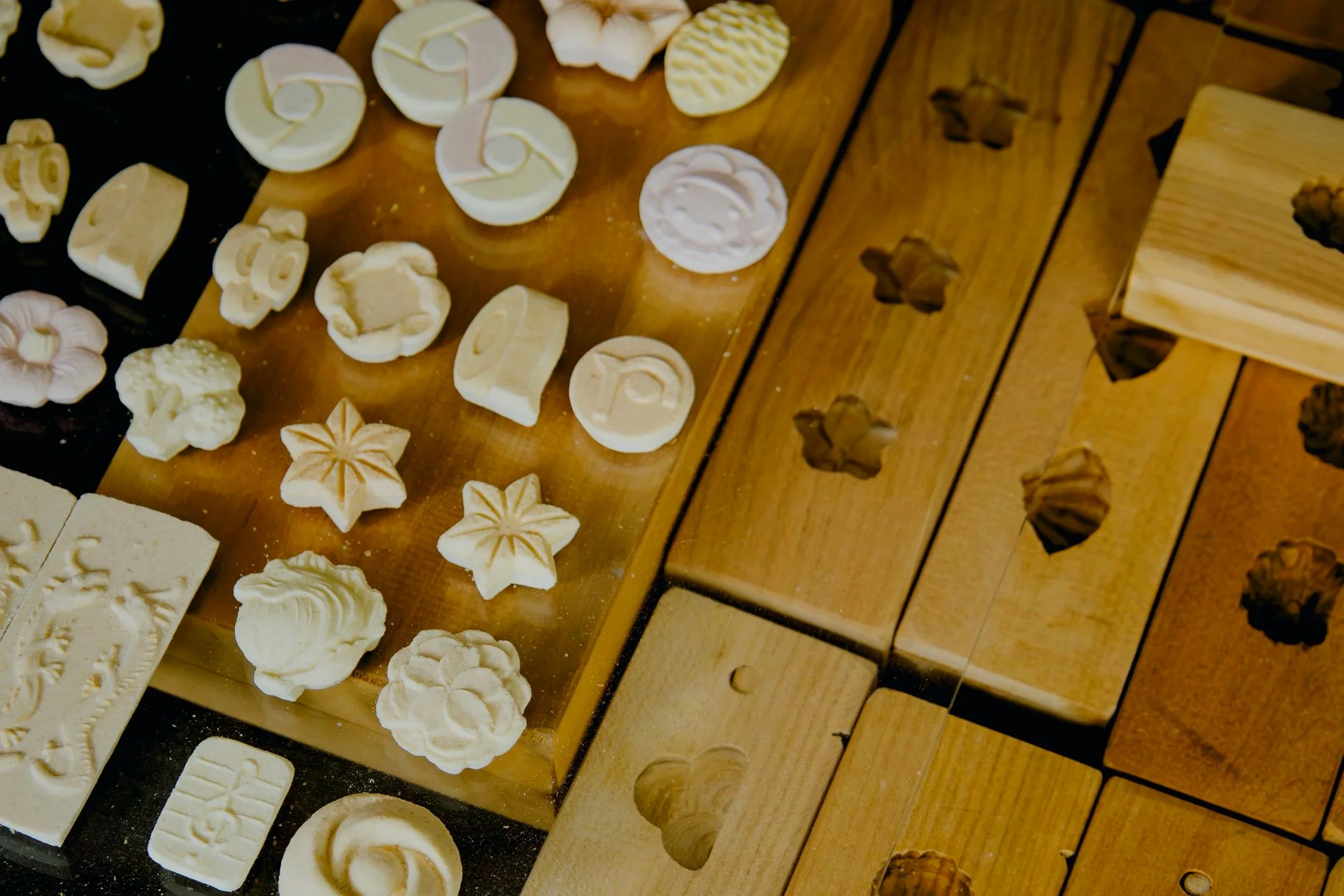
Sanuki Wasanbon is a refined Japanese sugar, known for its gentle sweetness.
It is carefully polished by artisans, shaped slowly over time through repeated handwork.
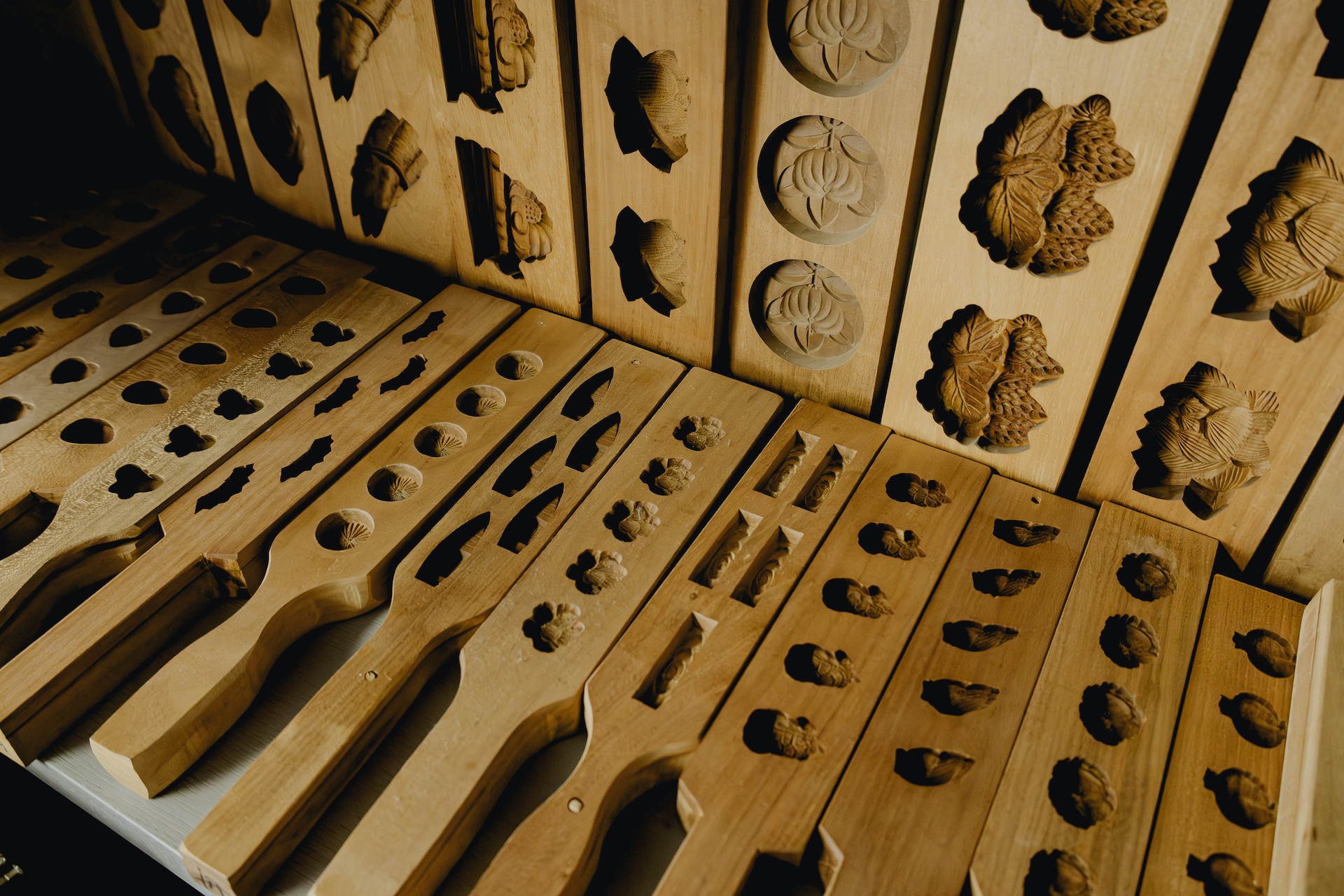
What gives Wasanbon its seasonal expressions and sense of place are the wooden molds carved by Ichihara, a traditional craftsman working in a quiet workshop in Kagawa.
The material is cherry wood—hard, yet supple.
Under Ichihara’s hands, patterns hidden deep within the grain gradually emerge, one careful line at a time.
Cherry blossoms, chrysanthemums, waves, mountains—forms drawn from nature begin to breathe within these small molds, allowing each Wasanbon sweet to carry a story of the season.
These wooden molds are more than tools.
They are small works of art, holding the blessings of the land, the skill of the craftsman, and the time devoted to his craft.
Behind the elegant sweetness of Wasanbon,
Ichihara’s quiet handwork continues to live on.
Kanamaru-za
Japan’s oldest surviving Kabuki theater
Standing at the foot of Kotohira Shrine, Kanamaru-za was built in 1835 and remains the oldest surviving Kabuki theater in Japan.
For nearly two centuries, it has drawn audiences into the world of stories performed on its stage.
The moment you step inside, the atmosphere feels as if time has quietly slipped back to the Edo period.
The hand-operated revolving stage, the hanamichi runway, and the naraku beneath the floor all remain intact, conveying the ingenuity and collective effort of townspeople who once brought the theater to life.
During the visit, guests are guided through narrow backstage corridors and down into the dimly lit naraku, where the presence of past actors and stagehands can still be felt.
Kanamaru-za is more than a historic theater.
It is a place where stories continue to live—
offering visitors a quiet glimpse into the drama and spirit of Edo-era Japan.
contact us for a free consultation
If you’re interested in the model tour, contact us through the ‘Book Now’ form, and begin your free communication with one of our experts.
We’ll help cater the experiences to your needs and wants, creating a truly personal and special trip.